Barclays Considers Strategic Acquisition of Metro Bank
- Market News

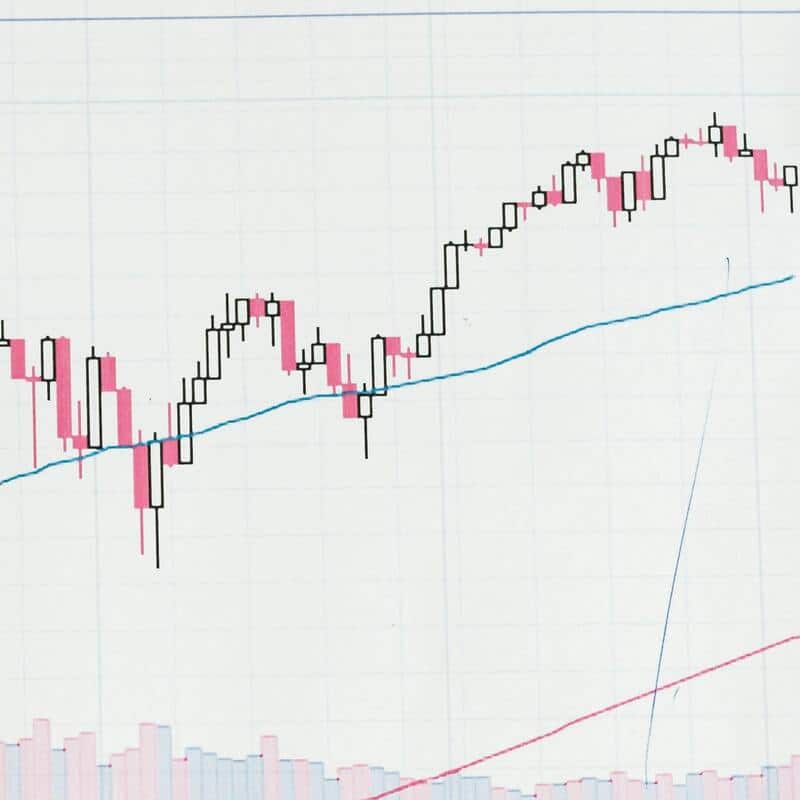
In a move that’s raising both eyebrows and stock charts, Barclays is reportedly eyeing a takeover bid for Metro Bank. The talks are still in the “let’s see where this goes” stage, but insiders say the interest is real. Metro Bank, known for its red branding, high-street presence, and very public financial hiccups, is trading at a heavy discount after a bruising 12 months. Its share price has dropped over 60%, customer confidence has wobbled, and regulators are practically on a first-name basis with its compliance team. If there’s ever been a fixer-upper in banking, it’s this one — and Barclays seems to think it can renovate. The question is whether they see a long-term strategic play or just a cheap asset with curb appeal.
The reasoning behind Barclays’ interest is simple: instant retail expansion without lifting a brick. Rather than opening new branches and building customer bases from scratch, buying Metro gives Barclays immediate access to high-traffic locations and a swath of current accounts. It’s also a chance to steal back market share from digital-first competitors and challenger banks who’ve been gnawing at traditional banks for years. Metro’s customer base, while smaller, is still loyal — or at least too tired to switch banks again. That alone might be enough to justify the acquisition from a volume standpoint. And in a world where physical bank branches are vanishing like cashpoints in Cornwall, adding Metro’s footprint could be a defensive play in disguise.
But this isn’t just about scale — it’s about image. Metro has always marketed itself as the “friendly bank,” open seven days a week and welcoming to dogs (and presumably humans too). It stands in stark contrast to Barclays, which maintains a more traditional, sometimes aloof profile. By acquiring Metro, Barclays may be hoping to soften its brand and inject some personality into its retail operation. Whether that charm can survive the merger process is another matter. It’s hard to stay quirky when you’re being onboarded into a mega-bank with corporate training videos and compliance checklists the size of your mortgage.

As with any potential megadeal in the finance world, this one comes with a crowd of regulatory gatekeepers and political landmines. The FCA and CMA are likely to scrutinize the deal heavily, especially with recent murmurs about shrinking competition in the UK banking sector. Barclays is already a major player, and expanding its share through acquisition may not sit well with watchdogs aiming to protect consumer choice. Expect questions around whether this takeover benefits customers or just boosts shareholder value. Regulators have become increasingly wary of bank consolidation, particularly when it threatens to reduce retail options and raise fees. And if the last few mega-mergers taught us anything, it’s that approvals won’t come without conditions — or delays.
Then there’s the matter of brand identity and internal culture — two things banks notoriously struggle to merge. Metro has built its name on being unconventional: longer hours, actual humans in branches, and customer service that doesn’t require four transfers and a chant to the customer support gods. Barclays, for all its strengths, leans old-school — more marble and cufflinks than coffee and casual Fridays. Putting the two together could be like trying to mix craft beer and a corporate retreat: doable, but with questionable results. If Metro customers sense that their bank is about to become just another big-brand entity, expect some exits — possibly to Monzo or Starling, who are watching this with popcorn.
And let’s not forget the financial baggage. Metro Bank isn’t exactly bringing a clean ledger to the table. In addition to regulatory pressure, the bank has had a rocky relationship with profitability, relying on expensive branch upkeep and a customer service model that doesn’t scale cheaply. Barclays would have to not only absorb these costs but justify them to investors already grumbling about return on equity. The idea that Metro could be restructured quickly and efficiently might look good in pitch decks, but the reality could be months of costly integration. If this turns into a multi-year headache, even the best synergies won’t save it.
From the investor angle, this acquisition is both a calculated risk and a potential long-term win. If Barclays pulls off a smooth integration, streamlines operations, and leverages Metro’s customer base, it could solidify its dominance in UK retail banking. Shares nudged up on the rumour, suggesting early optimism — but the market’s clearly cautious. Many analysts see this as a bold move in a market where bold moves rarely go unpunished. If the deal becomes official, shareholders will want to see quick cost savings and clear growth metrics. Otherwise, the narrative could shift from “smart expansion” to “expensive distraction.”
For customers, the situation is equal parts promising and nerve-wracking. On one hand, Barclays offers more robust digital tools, wider financial services, and stability that Metro has been missing. On the other hand, there’s fear of change — and not the good kind. Branches could close, fees could shift, and those famously long Metro hours might quietly disappear into the merger abyss. Customers who stayed loyal through Metro’s toughest moments may feel abandoned, especially if they sense their quirky, approachable bank is being absorbed into the establishment. It’s a delicate balancing act between improved services and keeping the soul of the original brand alive.
Industry-wide, the deal would be yet another sign of banking’s back-to-the-future strategy — where consolidation is once again the answer to modern challenges. Challenger banks made big promises, but traditional players are fighting back not with innovation, but acquisitions. For Barclays, buying Metro might be a shortcut to reinvention. For Metro, it might be the only exit that makes sense. And for everyone else in the sector, it’s yet another reminder: if you can’t disrupt the game, buy someone who tried and almost did.